

Moving to a new home is stressful enough without discovering on moving day that the company you hired doesn’t actually own any trucks. Understanding the critical difference between moving brokers and legitimate carriers is essential for protecting your belongings and your budget. This article will explore how these two entities operate, the risks of falling for broker bait-and-switch tactics, and how to verify you are hiring a legitimate moving company.
What is a Legitimate Moving Carrier?
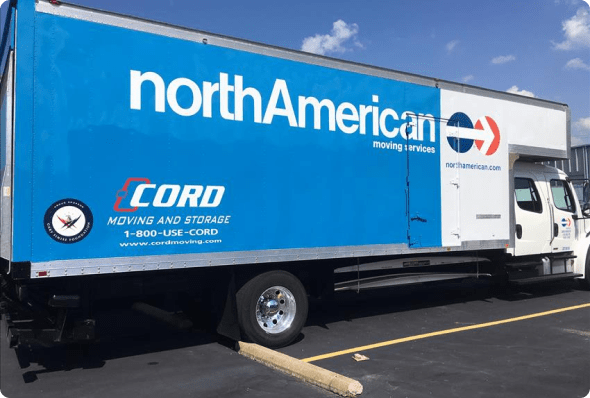
A legitimate moving carrier is a full-service transportation company that handles your move from start to finish. Moving carriers, unlike brokers, own their own trucks, employ moving crews, and are directly responsible for the physical transportation of household goods. When you hire a carrier, the people who show up at your door work for the company that provided your quote.
Legitimate interstate carriers are heavily regulated to protect consumers. The Federal Motor Carrier Safety Administration (FMCSA) is the federal agency that regulates interstate moving companies and brokers. Reputable carriers will gladly provide their FMCSA registration details and offer transparent pricing, such as “not to exceed” quotes that cap your maximum costs as long as your inventory remains unchanged.
What is a Moving Broker?
A moving broker operates under a completely different business model. Moving brokers arrange transportation by connecting customers with motor carriers but do not own trucks or employ professional movers. Instead, they act as a sales team that books your move, takes a deposit, and then auctions your shipment to a network of independent carriers.
While there are legal brokers in the industry, the broker model is often exploited by rogue operators. These “lowball” companies may promise the world over the phone, but once they sell your contract to a third party, they wash their hands of any responsibility for delays, damages, or poor customer service.
The Risks of Using Brokers: Bait and Switch Tactics
One of the most common complaints about moving brokers is the “bait and switch.” A broker might offer a highly attractive, low-cost estimate to win your business, only for the actual carrier to arrive on moving day and demand thousands of dollars more because the estimate was inaccurate.
“Most legitimate movers should be within 10% of cost of each other if they’ve done the right job… A broker or a rogue will give a lowball quote that is not bound, doesn’t have a ceiling, looks attractive, smells attractive, and then it’s not.”
For example, a broker might quote a customer for 19,000 pounds of household goods—which requires about two-thirds of a 53-foot trailer—but the carrier they hire might show up with a much smaller vehicle. A standard 26-foot moving truck generally holds up to 10,000 pounds of cargo, which is typically equivalent to a 3-4 bedroom home. When a broker miscalculates space, the customer is often left stranded, sometimes having to rent their own truck and load the overflow themselves just to complete the move.
How to Identify Legitimate Carriers
To avoid moving scams, consumers must do their due diligence. Here are several ways to verify you are working with a legitimate carrier rather than a deceptive broker:
- Check their history: Legitimate carriers often have decades of proven experience. In fact, the moving industry has a long history of federal oversight; the Interstate Commerce Commission (ICC) regulated the moving industry until it was abolished by Congress in 1995. Established carriers have weathered decades of regulatory changes and maintained their operational integrity.
- Review independent ratings: Don’t just trust a company’s website testimonials or fake ratings. Look at official consumer protection organizations. The Better Business Bureau (BBB) issues letter grades from A+ to F based on a business’s complaint history and transparent practices. A legitimate carrier will proudly display their real rating.
- Ask direct questions: Always ask, “Are you a broker or a carrier?” and “Will your employees be loading my items onto your trucks?”
Understanding Liability and Coverage
Another major distinction between brokers and carriers is how they handle lost or damaged items. Because brokers don’t transport your goods, they are not directly liable for damages. Legitimate carriers, however, are legally bound to offer specific valuation coverage options.
When reviewing your coverage options, consider the following:
- Basic Coverage: Federal law requires interstate movers to offer Released Value Protection, which compensates customers at a minimum rate of 60 cents per pound per item. This is provided at no extra charge, but offers minimal financial return.
- Comprehensive Coverage: Full Value Protection is a comprehensive liability option required by federal law that makes the mover liable for the repair, replacement, or cash value of damaged items.
- Homeowner’s Insurance: Standard homeowner policies typically do not cover your belongings while they are in transit across state lines.
| Feature | Legitimate Carrier | Moving Broker |
|---|---|---|
| Owns Trucks & Equipment | Yes | No |
| Employs Moving Crews | Yes | No |
| Direct Liability for Damages | Yes | No (Transferred to carrier) |
| Pricing Model | Binding or “Not to Exceed” estimates | Often non-binding, subject to change |